

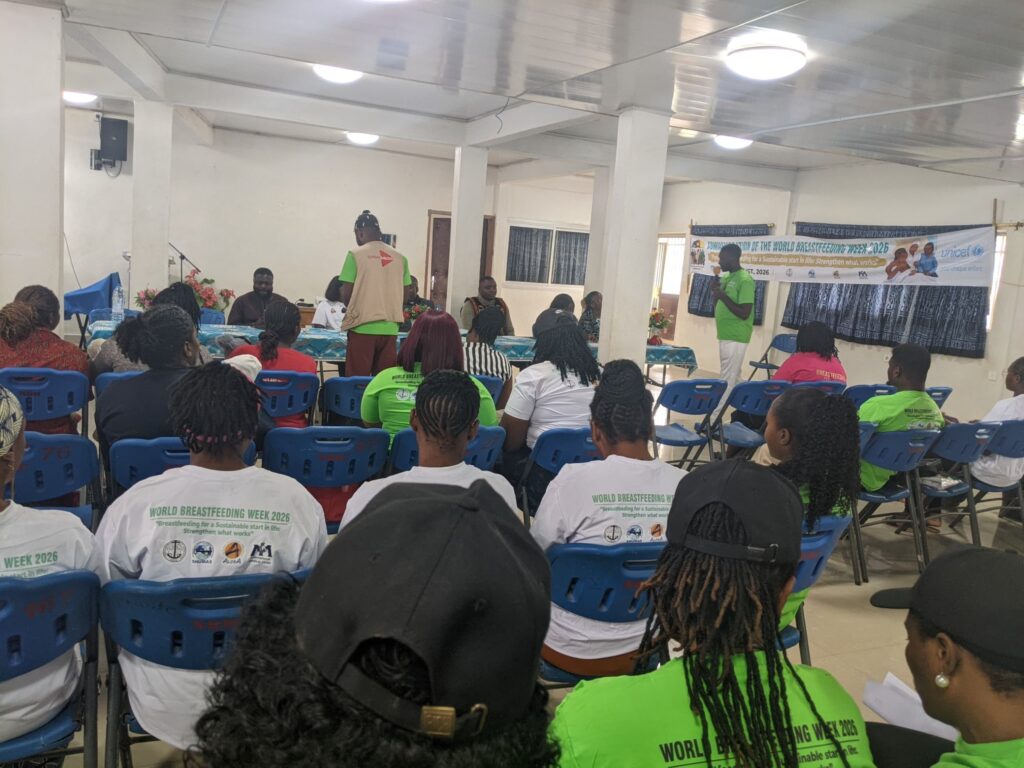
A breastfeeding sensitization campaign has been held in Bamenda to educate women, nursing mothers, men and the general public on the importance of breastfeeding, particularly exclusive breastfeeding during the first six months of a child’s life.
The event Coordinated by the NorthWest Focal Point for Nutrition, Mr Asongwe Ignatius held on Saturday, August 8, at the Baptist Centre Nkwen after a sports walk with Sensitization messages from the Military Monument to Finance Junction.
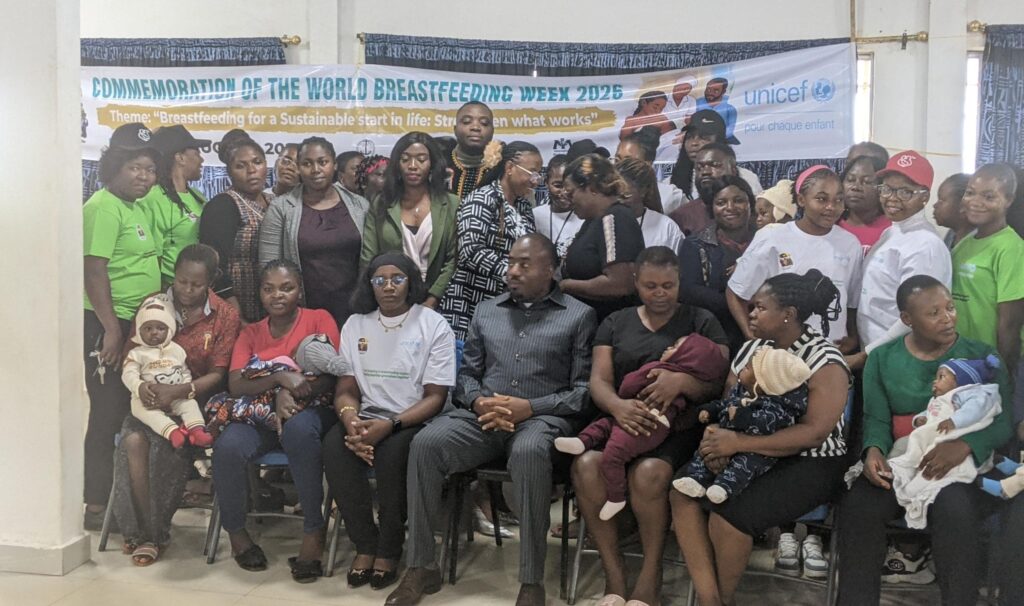
The event was organised as part of activities marking World Breastfeeding Week, observed yearly from August 1 to 7.
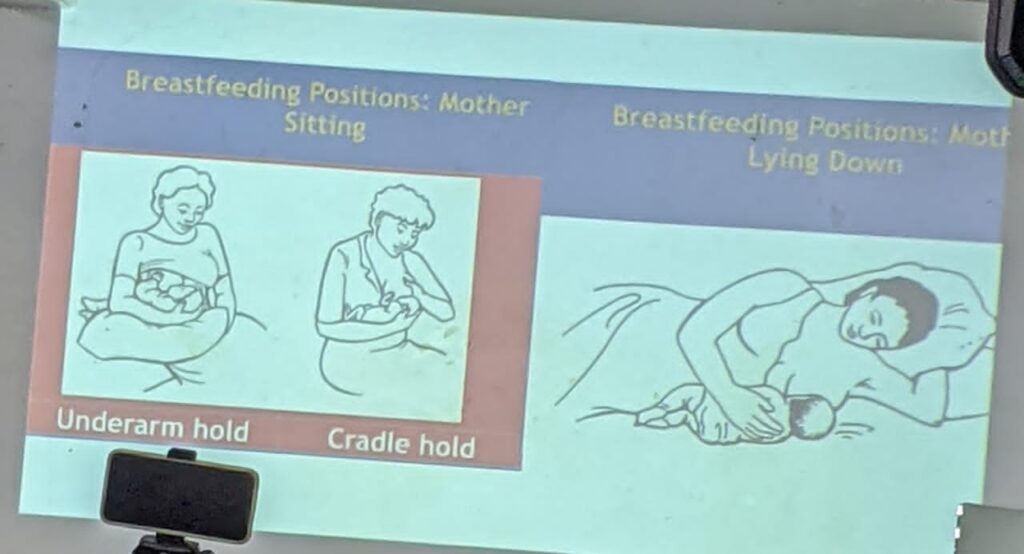
This year’s campaign theme, “Breastfeeding for a Sustainable Start of Life: Strengthen What Works,” focused on practical ways of improving breastfeeding, including proper positioning and attachment, breastfeeding on demand from babies , and ensuring that one breast is sufficiently emptied before offering the other to the baby to prevent choking.

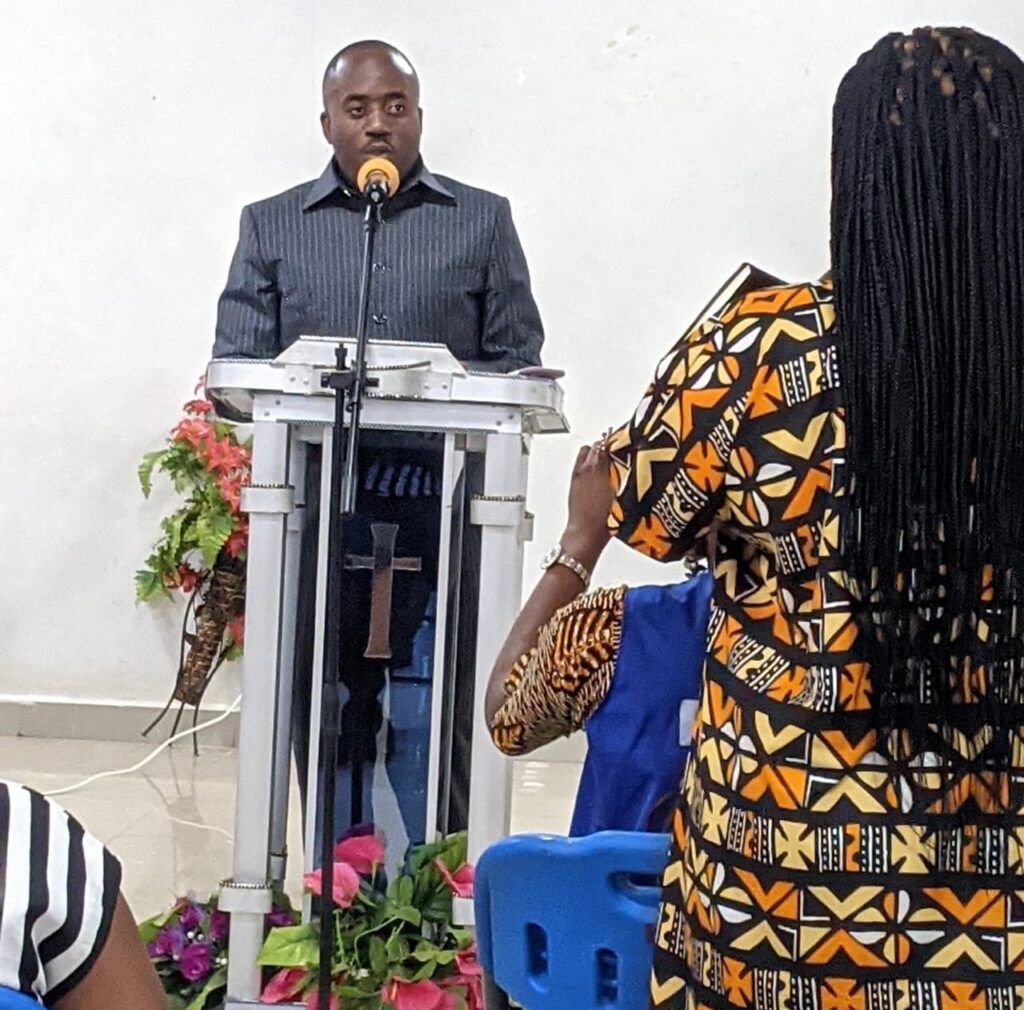
Speaking at the event, Northwest Regional Delegate of Public Health, Ambe Lionel, encouraged men and families to actively support breastfeeding mothers, especially as some women face challenges linked to employment and competing family responsibilities.
Attendees were also educated on the safe expression and storage of breast milk. They were advised that expressed milk can be refrigerated or frozen, with the oldest stored milk used first. Breast milk should be warmed in warm water and never heated in a microwave, which can create hot spots and damage some nutrients.
Other Health experts present at the event stressed that breast milk is the ideal food for infants, providing essential nutrients including fats, proteins and lactose, while also promoting emotional bonding between mother and child.
The campaign further highlighted the importance of adequate nutrition during the first two years of life in helping children fight diseases and reducing the risk of malnutrition, overweight and obesity.
A key message from the sensitization was that breastfeeding does not require expensive technology or equipment—what is needed most is correct information, family support and the commitment to give every child an adequate nutritional start in life.
By Anyam Yvette.
