

By Anyam Yvette
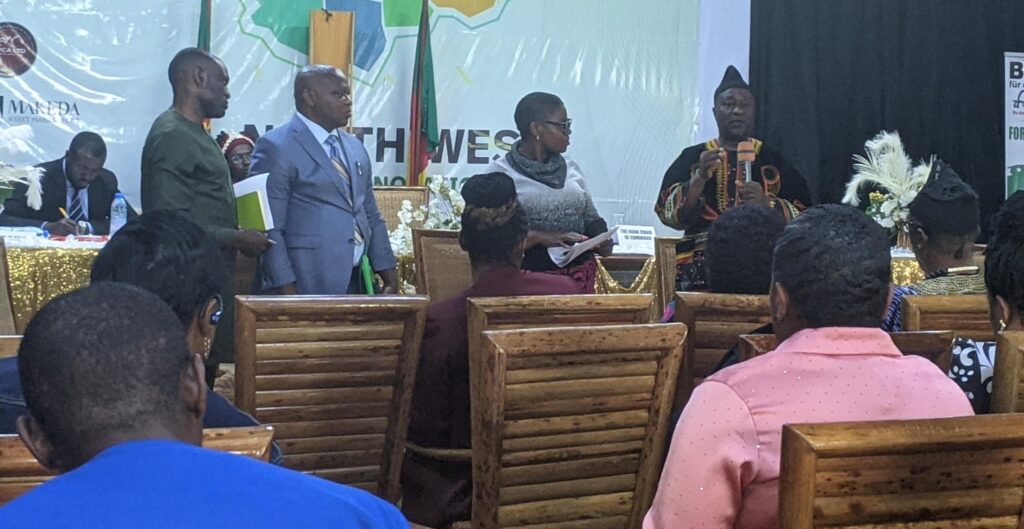
Thursday July 30th 2026 at the auditorium of the Regional Assembly, Station Bamenda, COMINSUD ( Community Initiative For Sustainable Development) that has been Championing several peace building initiatives within the North West Region held a one day Multi-Stake Holder Reflection Workshop on Curbing violence and Re-enforcing Peace and Initiatives within the North West Under the slogan “Crisis in the NW/SW Region 2016-2026 Looking Backward- Looking forward”.
The Event that lasted for close to 9 hours unfolded with the official welcoming of state Officials including North West Governor Adolphe Lele Lafrique, President of the Northwest Regional Assembly HRH Fobuzshi Angwafo III , The Public independent Consiliator NW, other ministry Representatives, Mayors, Civil Society Actors and Religious authorities.
This representation made a balance for the different classes of society that have been greatly affected by the ongoing socio political crisis in the region for the past 10 years.The workshop later followed a series of Reflection sessions by key Stakeholders on Enhancing Peace and building from Within .
Reflection 1 (Panel discussions) had panalists Looking back at the effects of the crisis on the NW and SW regions. Discussions centered on the effects on Education, Effect of the Crisis On Families women/girls, On small and Medium size businesses and on the effects of the crisis On councils and local development.
Reflection 2 Focused on The Current Context of the crisis and challenges for the region. Discussions centered on the Current situation of the Youths within the crisis , access to health, mental health in a crisis Context the hanging faces of the crisis and it’s effect on local Development, the situation of children and vulnerable persons, maintaining law and order and upholding dignity.
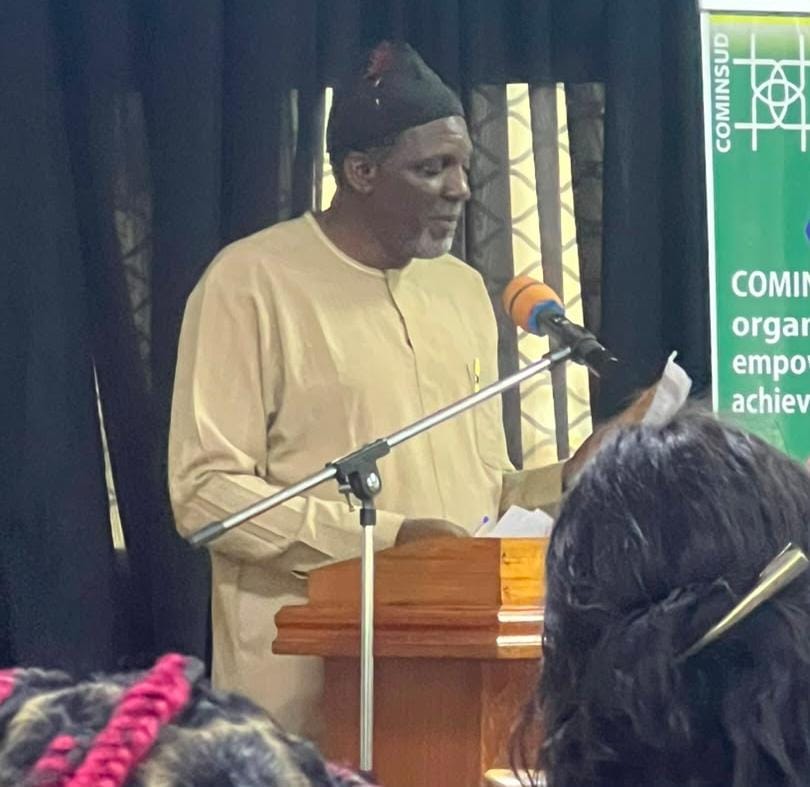
Reflection 3 Centered on Looking forward on Curbing violence, reinforcing peace and building from Within. Key discussions on ,Enhancing Transparency and public Accountability, Community Peace building and Conflict Mitigation, Peace education and empowerment opportunities for youths. Healing hearts and reconciling Communities .
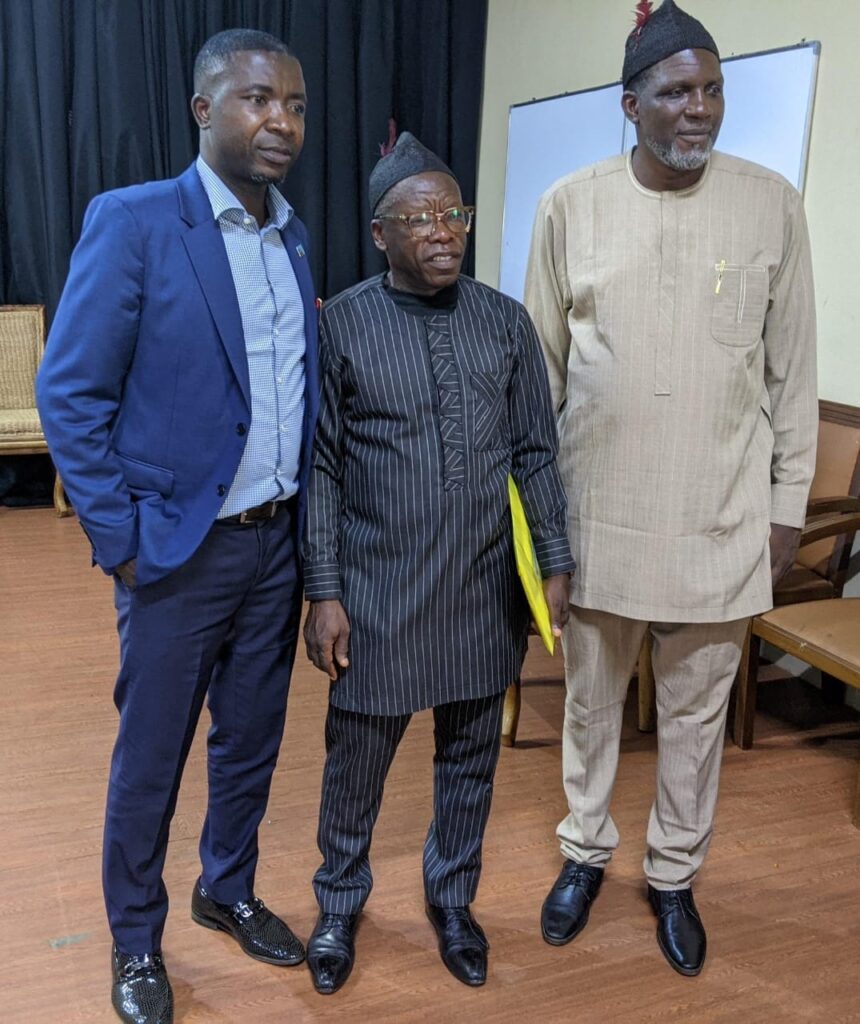
The Session ended with key recommendations from the organizer Mr Fon Nsoh Michael.
Workshop Recommendations
All peace stakeholders should work together as one, development partners, civil society organizations, traditional authorities, and community leaders to ensure that these recommendations are effectively implemented.
-Professional groups and stakeholders should develop concrete action plans that respond to the realities facing young people and involve community representatives in the implementation process.
-Special programmes should be designed to inspire, mentor, and support women and girls.
– These initiatives should focus on education, leadership, entrepreneurship, vocational training, career development, and equal participation in decision-making,
-Drug abuse and drug trafficking among young people must be addressed through prevention, education, counselling, rehabilitation, and community engagement. We must move beyond discussing the problem and begin taking practical action to change lives.
-Every stakeholder should commit to mentoring at least one young person. By guiding, supporting, and encouraging young people, we can help transform communities. Positive change begins with one person at a time.
-The government should intensify efforts to ensure that young people obtain biometric national identity cards. Where possible, the cost should be reduced or waived for vulnerable youth to encourage wider registration.
-Councils and relevant government institutions should organize awareness campaigns across communities to educate young people on the importance of obtaining biometric identity cards and the opportunities that require them.-Young people should also use social media platforms to share accurate information on the process of obtaining biometric identity cards and encourage their peers to register.
-Government institutions should regularly publish statistics on youth biometric registration to enable stakeholders to monitor progress and identify areas requiring additional support.
-Public institutions, particularly councils, should strengthen transparency and accountability. Citizens should actively demand accountability, while duty bearers should ensure that public resources are managed responsibly and services are delivered effectively.
-A comprehensive five-year strategy should be developed through broad public consultations, followed by a clear action plan for implementation. The strategy should address the key issues identified during the workshop and promote social cohesion and peaceful coexistence.
-Community dialogue and regular town hall meetings should be institutionalized to encourage meaningful conversations between citizens, young people, traditional authorities, civil society organizations, and government institutions.
-Policies should be strengthened at the community, traditional, institutional, and national levels to effectively respond to local challenges. These policies must be evidence-based and informed by reliable data.
-Community-based approaches should be prioritized in addressing local conflicts and social challenges. Sustainable solutions can only be achieved through the active participation of local communities.
-Civic and human rights education should be intensified at all levels. Educating citizens on their rights and responsibilities is essential for building peaceful, resilient, and law-abiding communities.
-The Regional Office of the National Commission on Human Rights and Freedoms should strengthen collaboration with communities, local authorities, and security institutions to promote human rights, improve police-community relations, and enhance public trust.
-Policymakers should ensure that poverty reduction, youth empowerment, and inclusive development remain central to all public policies and programmes.
-Government and development partners should allocate adequate resources for implementing community-based initiatives that promote peace, social cohesion, and sustainable development.-Continuous monitoring and evaluation mechanisms should be established to track the implementation of these recommendations and measure their impact over time.
-Future policy dialogues and workshops should become regular platforms where stakeholders review progress, identify emerging challenges, and propose practical solutions that respond to community needs.
Key Message.
There is enough for everyone’s needs, but not enough for everyone’s greed. Sustainable development depends on responsible leadership, accountable institutions, and the collective commitment of every citizen to invest in the future of young people.
The workshop emphasized that sustainable peace, development, and good governance require strong partnerships among government institutions, civil society, traditional leaders, development partners, and local communities. Through inclusive dialogue, evidence-based policymaking, transparency, and active citizen participation, communities can build a more peaceful, accountable, and prosperous future.

